Walk into any gym, sports stadium, athletics track, or yoga studio and you will encounter dozens of different types of sportswear. Compression tights, 2-in-1 running shorts, moisture-wicking training tops, insulated trail jackets, UV-protective cycling jerseys, padded sports bras — modern athletic apparel has evolved into an extraordinarily specialised field of garment engineering, with each type of sportswear designed to solve a specific performance problem for a specific training environment.
For athletes and fitness enthusiasts who are building their sportswear wardrobe from scratch, or simply looking to upgrade their training gear, understanding the different types of sportswear is the first and most important step. Wearing the wrong category of athletic apparel for your discipline does more than look out of place — it actively reduces your performance output, increases injury risk, creates unnecessary discomfort, and shortens the usable life of the garment through misuse. This guide exists to solve that problem.
In this comprehensive 2,000-word guide, we cover every major category of sportswear currently available — from technical compression base layers to waterproof outdoor adventure gear — explaining what each type does, who it is for, what to look for when buying, and how it differs from related categories. By the time you finish reading, you will have a crystal-clear picture of exactly what your training wardrobe needs.
- Compression Sportswear
- Running & Cardio Wear
- Gym & Weightlifting Apparel
- Yoga, Pilates & Studio Wear
- Team Sports Kits & Match Wear
- Outdoor, Trail & Adventure Sportswear
- Cycling & Triathlon Apparel
- Water & Swim Sportswear
- Plus-Size & Inclusive Activewear
- Athleisure & Casual Activewear
- How to Choose the Right Type for You
1. Compression Sportswear
Compression sportswear is perhaps the most scientifically validated category of athletic apparel. Built from high-elastane blends — typically a polyamide or nylon base interlaced with spandex at ratios between 15% and 30% — compression garments apply controlled, graduated pressure to specific muscle groups during activity. This external pressure works in two primary ways: it reduces the mechanical oscillation of soft tissue during high-impact movements (reducing the micro-vibration that contributes to DOMS — delayed onset muscle soreness), and it improves venous blood return from the extremities back toward the heart, enhancing oxygen delivery to working muscles.
Compression sportswear includes compression tights, compression shorts, compression calf sleeves, compression arm sleeves, and full compression base layer tops. Marathon runners, triathlon athletes, and team sport players commonly wear compression garments both during exercise and during recovery. Research published in the Journal of Sports Sciences has found that wearing compression tights during post-exercise recovery measurably reduces perceived muscle soreness in the 24–48 hour window following intense training.
2. Running & Cardio Wear
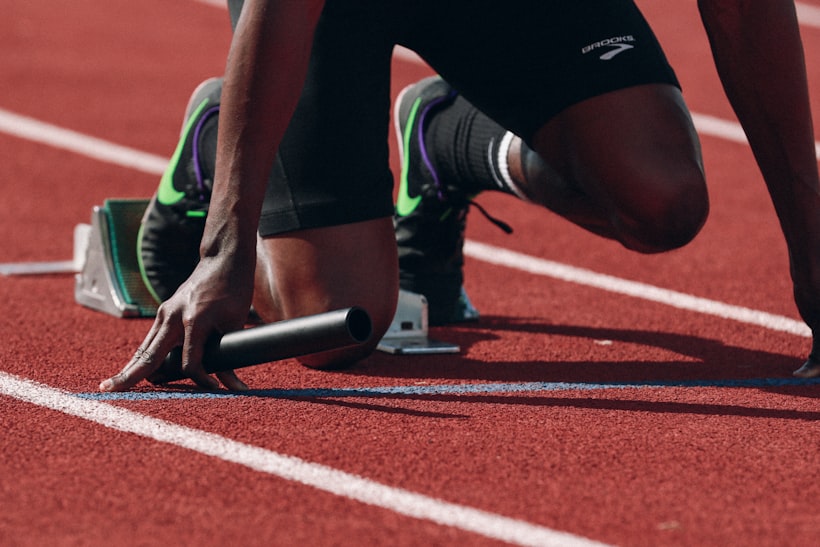
Running sportswear is the largest single category in the global athletic apparel market, and for good reason — running is the world's most practised endurance sport. Running-specific apparel is engineered around four primary performance requirements: minimal weight, maximum moisture evaporation, zero friction, and unrestricted hip and shoulder movement.
Running shorts are typically offered in three inseam lengths: 3-inch (sprint and speed training), 5-inch (road running and track), and 7-inch (trail running and longer steady-state runs). The most popular running shorts format globally is the 2-in-1 running short — a loose woven outer shell paired with an integrated inner compression liner that eliminates inner thigh chafing across marathon distances. Running tops use extremely lightweight single-layer knits with mesh ventilation panels across the upper back and underarm zones for targeted cooling at heat accumulation sites.
For women runners, the sports bra is perhaps the single most critical piece of running gear. High-impact sports bras with encapsulation cup technology (where each breast is individually supported in a moulded cup) are essential for distances above 5km, reducing vertical breast movement during running by up to 83% compared to a standard fashion bra.
3. Gym & Weightlifting Apparel
Gym sportswear prioritises mobility and durability over the ultralight minimalism of running gear. Weightlifting athletes require apparel with deep range-of-motion stretch — particularly across the hip, knee, and shoulder flexion angles — without fabric bunching, tearing, or losing shape under compression from barbells and bench equipment.
The core gym sportswear wardrobe consists of training shorts or gym tights, a performance T-shirt or tank top, and optionally a zip-up training hoodie. Gym shorts are typically 5–7 inches in length for most users, with reinforced gusseted crotch panels that prevent seam splitting during wide-stance squats and sumo deadlifts. Performance training T-shirts for gym use favour semi-fitted cuts that allow barbell positioning without excessive fabric flap, using anti-odour yarn treatments to manage sweat between sets.
Powerlifters and Olympic weightlifters often train in specialised weightlifting singlets — a single-piece bodysuit worn over compression shorts that allows judges to view body position while meeting federation competition requirements. For the majority of recreational gym-goers, however, a moisture-wicking training tee and squat-proof training shorts constitute a complete gym outfit.
4. Yoga, Pilates & Studio Wear

Yoga and studio sportswear is one of the fastest-growing athletic apparel categories globally. Unlike running or gym wear, yoga apparel must deliver total 360° stretch in every plane of movement, complete squat-proof opacity during forward bends and inversions, and a soft, skin-flattering fit that does not shift or roll during floor-based poses.
The defining garment of the yoga sportswear category is the high-waist biker short — a 9–11 inch seamless compression short that sits above the belly button to prevent rolling during twisting sequences, remains completely opaque during deep stretches, and provides a smooth silhouette that does not create pressure points during floor work. Paired with a matching long-line sports bra or fitted yoga tank, high-waist biker shorts have become the dominant studio outfit for women globally.
Yoga tops require particular attention to neckline design — standard scoop necks can gap during downward-facing dog and inversion poses, making high-neck or racerback tanks with built-in shelf bras a more practical option for floor-based classes. Studio sportswear fabrics favour nylon-spandex blends over polyester for a softer, more skin-luxurious hand feel during extended body contact with the mat.
5. Team Sports Kits & Match Wear
Team sports sportswear encompasses the jerseys, shorts, socks, and training apparel worn by athletes competing in structured team sports — football (soccer), Australian Rules Football (AFL), rugby, basketball, netball, volleyball, and cricket among many others. Team sports apparel is distinct from individual training wear in several important ways.
Team kits must balance rapid sweat evaporation with colour vibrancy and wash durability — team jerseys are typically subjected to more frequent and intensive laundering than personal training gear, requiring sublimated print technology (where colour dye is bonded directly into the yarn fibres rather than surface-printed) to prevent fading across a full season of match and training wear. AFL guernsey fabrics must withstand the physical contact forces of marking and tackling without tearing, while soccer jerseys prioritise ultralight knit constructions that minimise heat accumulation during 90-minute match play.
For training, team athletes typically wear training bibs (mesh tabards worn over training tops to distinguish team halves during drills), compression tights as warm-up and recovery layers, and club-branded training shorts that meet squad uniform standards.
6. Outdoor, Trail & Adventure Sportswear
Outdoor and trail sportswear is engineered for athletes who train in uncontrolled natural environments — trail runners, hikers, climbers, open-water swimmers, and adventure athletes who face highly variable weather, terrain, and temperature conditions. Unlike gym or studio wear, outdoor sportswear must also function as environmental protection clothing, shielding athletes from UV radiation, wind chill, rain, and abrasion from natural surfaces.
The outdoor sportswear layering system consists of three components working in combination. The base layer (moisture-wicking and insulating — often merino wool or technical polyester) sits against the skin to regulate body temperature. The mid layer (a fleece or insulated jacket) provides thermal retention during rest periods and in cold conditions. The outer shell (a waterproof and windproof hardshell or softshell jacket) provides weather protection as the outermost barrier.
Trail running shorts differ from road running shorts in key ways — they typically have more pockets (including rear cargo pockets for gels and maps), slightly longer and more durable fabric constructions, and integrated UPF 50+ protection for extended sun exposure during mountain runs.
7. Cycling & Triathlon Apparel
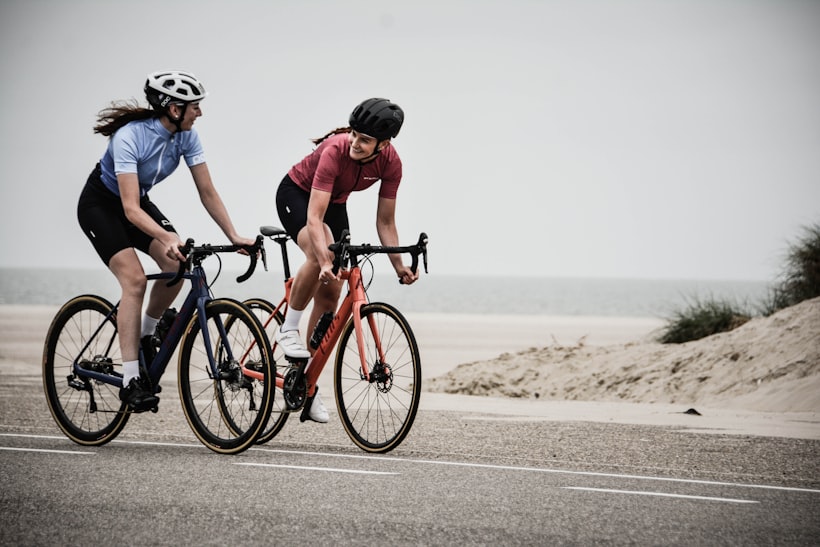
Cycling sportswear represents one of the most technically advanced categories of athletic apparel due to the extreme physical demands and aerodynamic considerations of the sport. Road cyclists typically wear a lycra cycling jersey with rear pockets for nutrition and tools, padded cycling bib shorts with integrated chamois padding at the seat, and arm warmers or gilets for variable temperature management during hill descents.
Cycling bib shorts are the most important investment in a cyclist's wardrobe. The chamois pad — a multi-density foam insert positioned between the saddle and the athlete's skin — prevents pressure sores and friction burns across long saddle contact time. High-quality chamois pads are anatomically shaped for male or female physiology, use anti-bacterial treatments, and graduated foam densities that channel pressure away from sensitive nerve and soft tissue zones during extended rides.
Triathlon-specific sportswear is a unique sub-category — triathlon suits must work simultaneously in water (swim section), on the bike (cycle section), and running (run section) without being changed. Triathlon suits use quick-drying materials, minimal padding (to allow running comfort after the bike leg), and aerodynamic panelling that reduces drag in both the water and wind.
8. Water & Swim Sportswear
Aquatic sportswear is engineered for minimal water resistance and maximum hydrodynamic performance. Competitive swimmers wear racing swimsuits made from tightly woven polyester-spandex fabrics that compress muscle tissue (similar in principle to compression tights) and repel water on the surface — reducing drag by measurable fractions of a second that can determine competitive outcomes at elite level.
Water-resistant rash guards and aquatic training tops are worn by surf athletes, kayakers, open-water swimmers, and water polo players for sun protection and abrasion resistance against board wax, pool edges, and water contact surfaces. Australian athletes in particular require UPF 50+ aquatic sportswear due to Australia's exceptionally high solar UV index intensity.
9. Plus-Size & Inclusive Activewear
Plus-size sportswear is one of the most important and rapidly growing categories in the modern athletic apparel industry. For decades, the standard sportswear market ignored curvy and plus-size athletes — offering either limited size ranges that fit poorly on larger body types, or simply scaling up garments designed for straight-size bodies without adjusting proportions, panelling placement, or structural support features.
High-quality plus-size sportswear addresses these failures with purpose-built engineering: extended high-rise waistbands that sit securely above the natural waist without rolling or digging; reinforced inner thigh panels that use abrasion-resistant double-knit fabric to prevent the accelerated wear that occurs at high friction contact zones in larger sizes; structured sports bras with full-cup encapsulation support for sizes D through H; and tummy control lining panels that provide comfortable shaping support during high-impact movement.
10. Athleisure & Casual Activewear
Athleisure describes athletic-inspired clothing designed to be worn both during exercise and in everyday casual social settings — the café, the supermarket, the office in casual-dress workplaces. Athleisure is not a single garment type but rather a design philosophy applied across multiple formats: tapered track pants worn with clean sneakers, fitted hoodie sweatshirts, longline sports bras worn as street tops, and high-waist leggings worn with oversized crop tees.
Athleisure garments blur the technical line between fashion and function — they typically include some performance features (moisture-wicking yarn, 4-way stretch) alongside elevated aesthetic design choices (tonal colourways, luxury-feel brushed fleece, visible stitching as a design element). The global athleisure market is now estimated at over US$350 billion annually and continues to grow as the cultural boundary between gym wear and everyday fashion continues to dissolve.
How to Choose the Right Type of Sportswear for Your Training
With so many types of sportswear available, narrowing down the right category for your specific training needs comes down to answering four questions:
- What is your primary sport or training discipline? Running demands 2-in-1 shorts and lightweight tees. Heavy lifting requires squat-proof tights and semi-fitted tops. Yoga needs seamless high-waist biker shorts and non-slip fabrics.
- What is your training environment? Indoor gym training tolerates more fashion-forward pieces. Outdoor trail running demands technical weather resistance and UPF protection. Water sports need aquatic-grade fabrics that resist chlorine or saltwater degradation.
- What is your body's primary comfort requirement? Athletes prone to chafing need anti-friction seams and inner liners. Athletes who overheat need mesh ventilation panels and fast-evaporation yarn. Athletes requiring muscle support benefit from compression garments.
- What is your budget? Premium performance features do not always require premium prices. Sportswear for Cheap specialises in delivering technical athletic apparel — with anti-bacterial treatments, flatlock seaming, moisture wicking, and 4-way stretch — at direct wholesale prices that make restocking your full training wardrobe genuinely affordable.
Understanding the types of sportswear available and what each is designed to accomplish means you can make smarter buying decisions, build a training wardrobe that genuinely improves your performance, and avoid paying for features you do not need in a garment style you will not use correctly. The right sportswear is not the most expensive — it is the right type, in the right fabric, for your exact training situation.